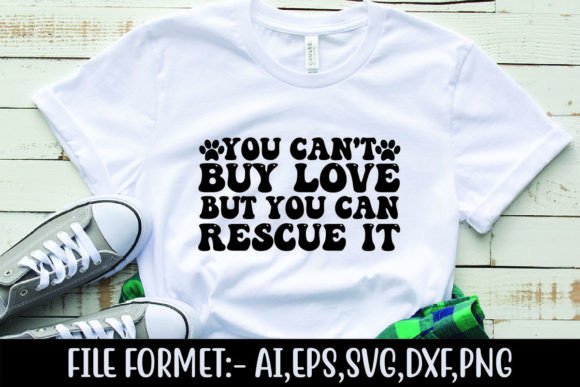
Review: You Cant Buy Love but You Can Rescue It
As a designer who has spent countless hours staring at digitized files and troubleshooting thread breaks, I approach every new machine embroidery design with a mix of curiosity and skepticism. We have all been there: you find a graphic that looks perfect on screen, only to realize it turns into a tangled mess of thread once it hits the fabric. Recently, I took a close look at You Cant Buy Love but You Can Rescue It, a piece that immediately caught my eye for its emotional resonance and potential versatility in the T-Shirt Designs and Graphics market.
This is not just another cute animal motif. It is a statement piece. For those of us running small shops or creating personalized gifts, the challenge is always finding designs that balance visual appeal with technical feasibility. Here is my practical assessment of how this design performs in real-world embroidery scenarios.
First Impressions and Visual Personality
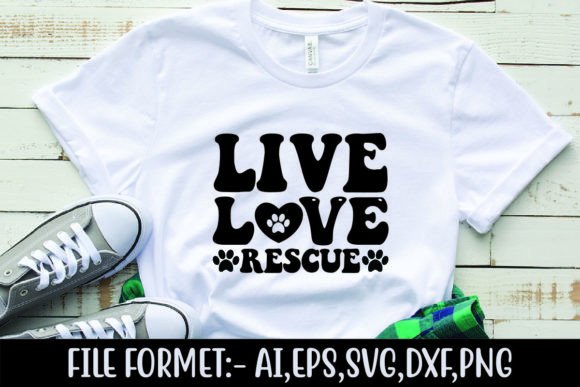
The first thing that strikes me about You Cant Buy Love but You Can Rescue It is its narrative power. In the world of commercial embroidery, we often forget that customers are buying feelings, not just stitches. This design taps into the deep affection people have for rescue animals, making it an instant conversation starter. Visually, the layout feels balanced, suggesting a thoughtful composition that should translate well from digital design assets to physical thread.
When I reviewed the provided files, including the AI, EPS, SVG, and DXF formats, I appreciated the flexibility. Having access to editable vectors means I can tweak the sizing or adjust minor details before converting them into an embroidery file if necessary. The inclusion of high-resolution PNGs and JPGs with transparent backgrounds is a huge plus for creating printable mockup previews for Etsy listings or social media promotions before I even hoop the fabric.
Real-World Application: The Tote Bag Test
To truly evaluate a design, you have to imagine it on a product. I pictured You Cant Buy Love but You Can Rescue It centered on a natural canvas tote bag design. Canvas is forgiving, sturdy, and provides a neutral backdrop that allows the thread colors to pop. In this scenario, the design would serve as the focal point, likely requiring a medium to large hoop size to ensure the text remains legible and the graphical elements have enough breathing room.
I also considered this for sweatshirt embroidery. A crewneck sweatshirt in heather grey or soft pink would provide a cozy, comforting vibe that matches the message. However, working with fleece or terry cloth requires careful attention to stabilizer choice. I would recommend a cut-away stabilizer to prevent the design from sinking into the pile of the fabric, ensuring the satin stitch borders remain crisp and defined.
Technical Considerations for Stitching
While the aesthetic is strong, the technical execution is where many designs fail. Since the product description highlights that the files are 100% color changeable and editable, you have control over the thread colors. This is crucial. For a design like this, contrast is key. If you are stitching on dark fabric, you must ensure your thread palette offers enough brightness to make the text readable. Conversely, on light fabrics, avoid threads that are too pale, or the details will get lost.
One area to watch closely is stitch density. If the design includes dense fill areas, it can cause puckering, especially on thinner materials like cotton tees or baby clothes. Before committing to a final finished product, always run a test stitch on scrap fabric similar to your final material. Check for thread breaks, nesting, or registration issues. If the design features tiny lettering, verify that your machine can handle the detail at your chosen scale. Tiny text can easily become illegible if the running stitch or satin columns are too narrow for the needle to penetrate cleanly.
Navigating Fabric and Hoop Constraints
Not every surface is created equal. While this design would shine on a structured item like an apron or a pillow cover, it requires caution on curved surfaces like caps. Embroidering on a cap demands precise digitizing to account for the curvature. If the design is too wide, it might distort around the seam. Similarly, for baby embroidery items like onesies, you must ensure the backing is soft and non-irritating. A heavy tear-away stabilizer might be too stiff for sensitive skin, so consider using a soft cut-away or a wash-away option for the best comfort.
For those interested in creating an embroidered patch, this design is a strong candidate. Patches allow you to stitch on stable twill without worrying about garment stretch, and then apply the finished patch later. This method gives you maximum control over the applique design or fill stitch quality, resulting in a professional look that holds up to frequent washing.
Commercial Viability and Brand Trust
For Etsy sellers and craft business owners, the value of a design lies in its ability to sell. You Cant Buy Love but You Can Rescue It has high giftability. It appeals to dog lovers, cat rescuers, and anyone who supports animal welfare. This emotional connection drives buyer engagement. When you present this as a personalized gift or a boutique item, it elevates your brand perception. It shows that you care about meaningful messaging, not just generic clipart.
However, professionalism is paramount. Ensure that your final product looks clean. Trim jump stitches, press the garment properly, and inspect the back for loose threads. Customers judge quality by the finish. Using the included high-quality mockups can help you market the item effectively, showing potential buyers exactly how the custom apparel will look in their home or wardrobe.
Final Designer Notes
Before you launch this into your shop, keep these practical tips in mind:
- Test First: Always stitch out a sample on your actual fabric type. Do not assume the digital preview matches the physical result.
- Check Licensing: While the files are editable and commercial use is often implied with such packages, always double-check the specific license terms provided with the download to ensure you can sell finished physical items.
- Contrast Matters: Use the color-changeable feature to test different palettes. Black thread on white cotton is classic, but consider navy on cream or burgundy on oatmeal for a softer, boutique feel.
- Stabilize Correctly: Match your stabilizer to your fabric weight. Stretchy fabrics need cut-away; woven fabrics can often use tear-away.
- Inspect Details: Zoom in on the vector files. Look for any stray nodes or overlapping paths that might confuse your digitizing software if you decide to edit the shape.
In conclusion, You Cant Buy Love but You Can Rescue It is a compelling addition to any designer’s library. It bridges the gap between heartfelt messaging and commercial viability. With proper technical preparation and attention to detail, it can become a standout piece in your small shop product lineup, appealing to customers who value both style and substance. Whether you are creating holiday embroidery gifts or everyday wear, this design offers the flexibility and charm needed to succeed in today’s handmade market.