Live Love Rescue: A Designer’s Honest Review
As an embroidery designer who has spent countless hours digitizing, stitching out, and critiquing designs for real-world application, I approach every new file with a healthy dose of skepticism. We have all been there: downloading a digital embroidery file that looks pristine on a screen but turns into a tangled mess of thread breaks and puckering on the hoop. When I first opened the Live Love Rescue design package, my immediate goal was not just to admire the aesthetics, but to determine if this asset could withstand the rigors of actual production. This is not just about pretty pixels; it is about how a design performs when needle meets fabric.
First Impressions and Visual Personality
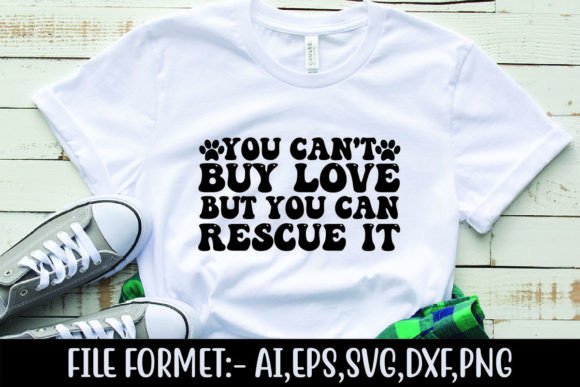
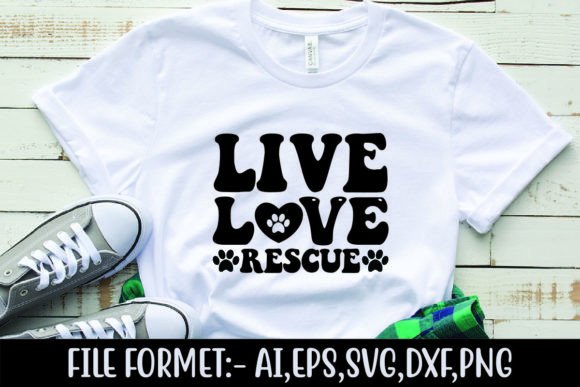
The Live Love Rescue graphic carries a distinct mood. It balances compassion with action, making it ideal for audiences involved in animal welfare, volunteer work, or community support groups. Visually, the layout feels balanced, avoiding the cluttered look that often plagues text-heavy designs. The typography appears sturdy enough to hold its shape during stitching, which is crucial for maintaining readability. For those of us selling T-Shirt Designs or Graphics, the visual personality here is clean and modern. It does not rely on excessive ornamentation, which is a smart move for embroidery. Overly complex details often get lost in the stitch structure, but this design seems to prioritize clarity.
What stands out initially is the versatility suggested by the file types included. Getting editable AI, EPS, SVG, and DXF files alongside high-resolution PNGs and JPGs means this is not just a static image. It is a comprehensive design asset kit. For a craft business owner, this flexibility is gold. You can use the vector files for screen printing or vinyl cutting and the embroidery files for stitched goods, ensuring brand consistency across different product lines.
Real-World Application: The Tote Bag Test
To truly evaluate Live Love Rescue, I imagined a specific scenario: creating a custom embroidered tote bag for a local animal shelter fundraiser. Tote bags are notorious for challenging embroiderers because of their woven texture and tendency to shift. I considered how the design would sit on a canvas or cotton blend. The theme fits perfectly here—functional, meaningful, and durable.
In this context, the design’s potential as a tote bag design shines. The open spaces in the lettering suggest that a standard fill stitch would work well without becoming too dense. However, I would be cautious about the smaller elements. If the "Rescue" portion has tight kerning, it might require careful digitizing adjustments to prevent the letters from merging during stitching. For a handmade product intended for daily use, durability is key. The design needs to survive multiple wash cycles without losing its definition.
Performance on Different Fabrics and Hoops
One of the most critical aspects of any machine embroidery design is how it adapts to various substrates. I evaluated how Live Love Rescue might perform on a fleece sweatshirt versus a structured cap. For sweatshirt embroidery, the plush texture of fleece can swallow small details. If this design relies on fine lines or tiny text, it might lose impact on thick fabrics. In such cases, increasing the stitch width or opting for a satin stitch border around fill areas could help the design pop.
Conversely, on a curved surface like a baseball cap, the design’s footprint becomes a major concern. Caps have limited hoop space and a difficult topography. If Live Love Rescue is wide, it may not fit comfortably on a standard cap hoop without distorting the fabric. I would advise testing this on a scrap piece of similar material first. Always check the hoop size requirements before committing to a final project. For caps, you might need to resize the design significantly, which could compromise the legibility of the text if it is not vector-based or properly layered in the embroidery software.
When working with dark fabrics, thread color contrast becomes vital. The inclusion of transparent background PNGs and high-quality mockups in the package allows you to visualize this before stitching. I recommend testing the design in black and white mockups to ensure the shape remains recognizable even without color differentiation. This is especially important for embroidered patch creation, where the background fabric is often removed or covered entirely.
Technical Considerations for Stitch Quality
From a technical standpoint, the promise of 100 editable and color-changeable files is significant. It means you are not stuck with a preset color palette that might clash with your inventory. You can adjust the thread colors to match specific brand guidelines or seasonal trends. However, editability also comes with responsibility. Changing colors or resizing without understanding stitch density can lead to poor results. If you scale the design up, the stitch count may not increase proportionally, leading to gaps. If you scale it down, the stitches may become too dense, causing fabric puckering or needle breaks.
I always advise using a proper stabilizer suited to the fabric weight. For stretchy materials like jersey t-shirts, a cut-away stabilizer is non-negotiable to prevent distortion. For woven towels or aprons, a tear-away might suffice, but only if the design is not overly dense. The Live Love Rescue design should be tested on scrap fabric first. This simple step saves time, money, and frustration. Check for thread breaks, tension issues, and registration accuracy. Inspect small details closely; if the corners of the letters are rounding off, you may need to adjust the pull compensation in your software.
Commercial Viability and Brand Trust
For Etsy sellers and small shop owners, the perceived value of a product is tied to its professionalism. A clean, well-stitched Live Love Rescue design elevates a simple item into a personalized gift that customers trust. Whether it is a holiday gift for a dog lover or a uniform for rescue volunteers, the quality of the embroidery reflects on your brand. High-resolution mockups included in the package allow you to create compelling listings without needing to photograph every physical sample immediately. This speeds up your workflow and helps you test market demand.
However, always confirm licensing terms before selling finished items. While the package includes instructions, it is crucial to understand whether the license covers commercial use of the stitched products or just the digital file usage. Most reputable designers allow commercial use of finished physical goods, but restrictions may apply to reselling the digital files themselves. Clarifying this protects your small shop product line from legal issues.
Final Verdict for Crafters and Designers
Live Love Rescue is a strong contender for anyone looking to add meaningful, cause-driven designs to their portfolio. Its strength lies in its adaptability and the comprehensive file formats provided. It is not just a static image; it is a toolkit for creators. Whether you are making baby embroidery items, kitchen towels, or boutique apparel, this design offers a solid foundation. Just remember to respect the technical limits of your machine and fabric. Test, adjust, and stitch with confidence. When executed with care, this design can become a staple in your commercial embroidery offerings, driving engagement and sales through its clear, heartfelt message.