Daddy’s Girl: A Designer’s Take on Baby Embroidery
As a designer who has spent countless hours digitizing patterns and testing stitches on everything from thick denim to delicate muslin, I approach every new machine embroidery design with a mix of curiosity and caution. When I first pulled up the Daddy’s Girl files, my immediate goal was not just to admire the aesthetic, but to determine its viability for real-world production. For those of us running a craft business or selling on platforms like Etsy, a pretty picture is not enough. We need to know how a design behaves under the needle, how it reads on different fabric texture types, and whether it holds up after multiple wash cycles.
First Impressions and Visual Personality
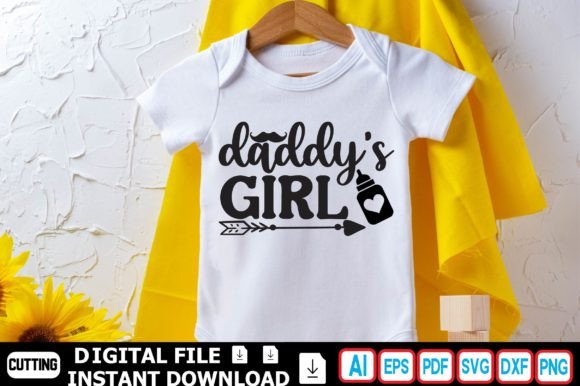
The Daddy’s Girl concept taps into a timeless sentiment in the world of baby embroidery. It is sweet, sentimental, and universally understood. Visually, the design leans into a soft, approachable style that works exceptionally well for nursery items and infant apparel. The layout appears balanced, avoiding the common pitfall of overcrowded elements that can cause registration issues during stitching. For an embroidery project intended for a newborn or toddler, this level of clarity is crucial. Babies move, fabrics stretch, and parents wash clothes frequently. A design that relies too heavily on microscopic details will quickly lose its charm.
What stands out initially is the potential for versatility. While it is categorized under T-Shirt Designs and Graphics, the simplicity of the theme allows it to transcend basic apparel. It feels at home on a cozy blanket just as much as it does on a onesie. The visual personality is gentle, which means it pairs well with pastel thread colors but also has enough structural integrity to stand out in bolder contrasts if needed.
Real-World Application: The Tote Bag Test
To truly evaluate Daddy’s Girl, I imagined a specific scenario: creating a personalized gift set for a new father. This included a canvas tote bag design for dad to carry diapers and a matching bib for the baby. This is a common request for Etsy seller accounts and boutique shops. The tote bag presents a unique challenge because canvas is heavy and has a distinct weave. If the stitch density is too low, the fabric shows through, making the design look cheap. If it is too high, the bag puckers.
In this context, Daddy’s Girl performs well because the core elements are substantial. When digitized or prepared correctly, the main shapes provide good coverage. For the tote, I would recommend using a cut-away stabilizer to ensure the weight of the embroidery does not distort the bag over time. The design’s open areas allow the natural texture of the canvas to breathe, giving the finished product a high-end, handmade feel rather than a mass-produced look. This attention to material interaction is what builds customer trust and encourages repeat business.
Navigating Fabric and Hoop Constraints
One of the most critical aspects of reviewing any digital embroidery file is understanding where it might fail. Daddy’s Girl is not immune to the physical limitations of embroidery machines. For instance, if you are planning to use this on a curved surface like a cap, you must be mindful of the hoop size and the push-pull factors of the fabric. Caps require precise stabilization, and any large fill areas can cause warping. If the design includes dense sections, consider breaking them up with lighter stitch types or adjusting the underlay.
Similarly, when working with stretchy fabrics like jersey knits for sweatshirt embroidery or baby bodysuits, the risk of puckering is high. I always advise testing the design on scrap fabric first. Check how the satin stitch edges lay flat. If you notice pulling, you may need to increase the stabilizer weight or adjust the tension on your machine. For dark fabrics, ensure that your thread colors have enough contrast. A light pink on a navy blue sweatshirt looks charming, but a pale yellow on white might get lost. Always test your color combinations in natural light before committing to the final custom apparel piece.
Commercial Viability and Brand Consistency
For small shop product lines, consistency is key. Daddy’s Girl fits seamlessly into a broader collection of family-themed designs. It allows for brand consistency because the style is recognizable and cohesive. When customers see this design on a pillow cover, then later on a kitchen towel, they recognize the quality and aesthetic of your brand. This recognition drives buyer engagement and helps differentiate your handmade product from generic competitors.
However, commercial use requires diligence. The product description notes that you receive a ZIP folder containing AI, SVG, DXF, EPS, and PNG files. It is vital to confirm the licensing terms before selling commercial embroidery items. Some licenses allow for unlimited physical sales but restrict the resale of the digital files themselves. Always read the fine print. Additionally, while the included PNG is 300 dpi with a transparent background, useful for printable mockup creation and website previews, remember that this is a vector-based package primarily intended for cutting or conversion. Ensure your embroidery software can properly interpret the SVG or AI files if you are converting them to stitch files, or use dedicated digitizing software to optimize the pathing for applique design or standard stitching.
Practical Designer Notes for Best Results
To get the most out of Daddy’s Girl, keep these practical tips in mind:
- Test on Scrap Fabric: Never run a new design directly on your final garment. Use a similar fabric scrap to check for puckering and thread breaks.
- Check Stitch Density: If the design feels stiff after stitching, reduce the density in your editing software. Softness is paramount for baby items.
- Contrast is King: Ensure your thread choice stands out against the fabric. Use a black and white mockup to verify value contrast before threading up.
- Stabilizer Selection: Match your stabilizer to your fabric. Cut-away for knits and stretchy materials, tear-away for stable wovens.
- Inspect Small Details: Zoom in on the digital file. Are there tiny elements that might not stitch out cleanly? If so, consider simplifying or enlarging the design slightly.
- Verify Licensing: Confirm whether the license covers physical sales, digital resale, or both. Protect your business by staying compliant.
Final Verdict
Daddy’s Girl is a strong contender for any designer’s library. It balances emotional appeal with practical usability. It is not just a graphic; it is a tool for creating meaningful connections between makers and their customers. Whether you are producing holiday embroidery gifts, everyday personalized gift items, or building a catalog of design assets, this design offers a solid foundation. By respecting the technical requirements of embroidery and understanding the end-use context, you can transform this digital file into a cherished heirloom. Remember, the best designs are those that survive the wash, comfort the wearer, and bring a smile to the recipient. Daddy’s Girl has the potential to do exactly that.